

Maria is 62. She picked up pickleball two years ago. She plays three mornings a week at her local park.
Last month, she bent over to stretch her hamstrings before a doubles match. On her third reach, her leg cramped. She limped for the rest of the game.
What went wrong? She did what most people do. She stretched the way she learned in gym class – thinking it would help. It didn’t.
Static stretches, toe-touches, shoulder rolls don’t fit the way Maria’s body works now. And they don’t match the way she plays pickleball.
Maria’s mistake is common. Most players start with stretches. But that kind of warm-up is built on myths. Let’s find out why.
If you’re over 40, play two or more times a week, and don’t want to sit out with a sore joint or tight calf, this guide is for you. It shows you a better way to warm up.
Why Old Warm-Ups Fail
Most people stretch before they play because they think it’s safer.
But the kind of stretching most people do – long, slow holds in one position – is called static stretching. That type of stretch slows your reaction time. It weakens your muscles for about 10 to 15 minutes. And it increases your chance of injury if you go straight into a fast-paced game right after.
Your body doesn’t need to be “loose.” It needs to be alert.
Your warm-up should prepare your body for sharp stops, quick turns, and short sprints. And it should activate the brain pathways that tell your legs how to lunge, or your shoulders how to swing.
That’s what a warm-up is for: not to stretch, but to switch on.
What Your Warm-Up Should Do
A good warm-up for pickleball does three things:
- It raises your heart rate just enough to boost blood flow.
- It wakes up your brain-to-body connection – so your hands, feet, and eyes talk to each other.
- It mimics the movements you’ll use in your first five minutes of play.
You don’t need a full workout before you play. You need a short, smart set of moves that feel a lot like your opening rally.
A Smarter Warm-Up Sequence
Start with dinks. Not hard drives. Not big swings.
Stand at the kitchen line. Rally softly with a partner for 30 to 45 seconds. Focus on control. Keep your grip light. Hit dinks back and forth. No spin. No power. Just timing.
This wakes up your eyes, wrists, and fingers. And it helps you feel the paddle.
Next, pivot.
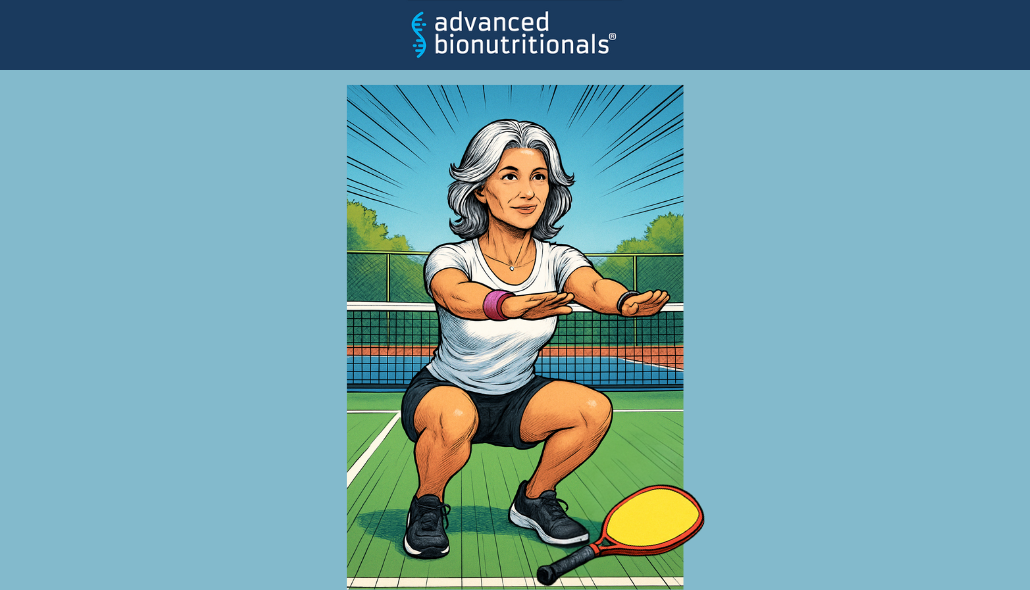
Stand with your feet shoulder-width apart. Drop into a shallow squat. Then rotate your hips and shoulders left, then right, as if chasing a diagonal shot.
Do five slow pivots. Make each one smooth. Don’t twist fast. Don’t bend your back. This helps your knees learn to follow your hips. It keeps your joints aligned. Most knee injuries in pickleball come from poor pivoting, not bad luck.
Now, add a simple shuffle.
Face your partner. Mirror their steps for one minute. They move left, you move left. They move back, you move back. Switch roles halfway through.
This builds balance and footwork without stress. You’ll feel your legs start to work. Your heart rate will rise a little. Your eyes will lock in.
In less than four minutes, you’ll be ready to move the way your game demands.
Your New Pre-Game Plan
Next time you play, try this warm-up routine:
- Mini dinks at the kitchen – 30 to 45 seconds
- Pivot squats with rotation – 5 reps
- Mirror shuffle with a partner – 1 minute
And remember: do static stretches after the match, not before.
With this warm-up, you’ll feel more steady in your first rally. You’ll make cleaner shots. You’ll start faster. You’ll move with more control.
And you’ll enjoy the game more – because your body will be ready for it.