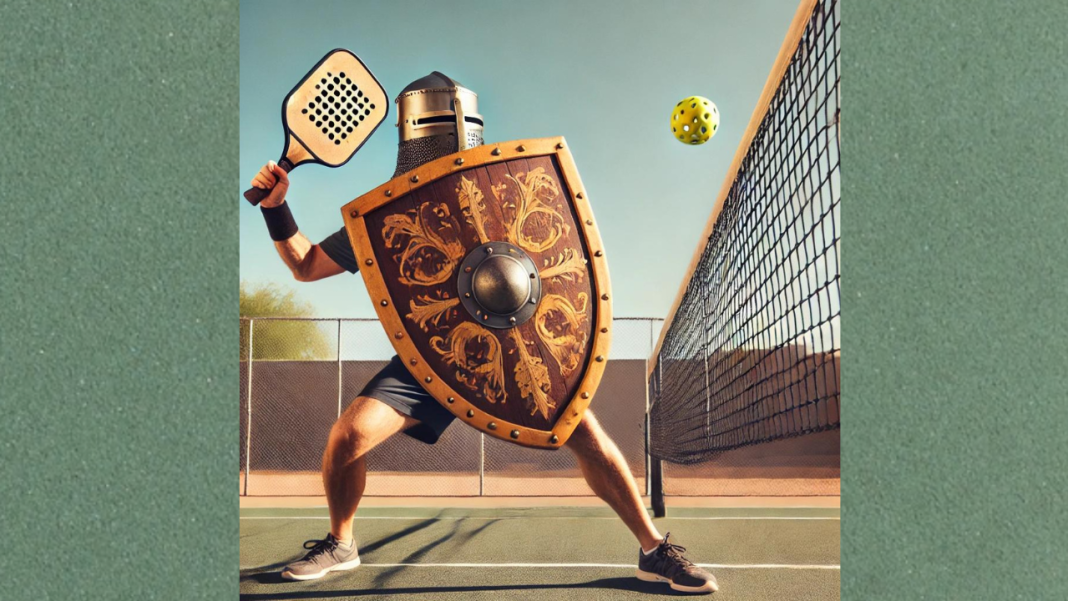



The allure of pickleball, with its fast-paced rallies and convivial atmosphere, has attracted countless tennis players seeking a new challenge. However, the transition from the sprawling tennis court to the intimate pickleball arena is not as seamless as one might assume. Even seasoned tennis pros find themselves needing to recalibrate their skills and strategies to excel in this rapidly growing sport.
Pickleball Finesse: A Different Kind of Touch
One of the most striking differences between tennis and pickleball is the touch required. Tennis players are accustomed to generating power with full swings and explosive movements. In pickleball, finesse reigns supreme. The lightweight whiffle ball and smaller court demand a softer touch, emphasizing placement and control over raw power.
This shift in focus manifests most clearly in the dink, a soft, controlled shot that barely clears the net and lands in the non-volley zone (the kitchen). Mastering the dink is crucial, as it forces opponents to make difficult returns and opens up opportunities for offensive maneuvers. Additionally, pickleball players often employ drop shots, a deceptive shot that barely clears the net and forces opponents to lunge forward.
Swinging for Success: Smaller Paddle, Shorter Strokes
The pickleball paddle, significantly smaller and lighter than a tennis racket, requires a different swing technique. Tennis players must adapt to shorter, more compact strokes to maintain control and accuracy. The reduced swing path also emphasizes the importance of wrist movement and hand-eye coordination in pickleball.
Spin It to Win It: A New Spin on Strategy
While topspin is a staple of tennis, pickleball players often favor underspin and sidespin. These spins not only keep the ball low, making it difficult to attack, but also create unpredictable bounces that can befuddle opponents. Tennis players must learn to incorporate these spins into their arsenal to maximize their effectiveness on the pickleball court.
The Kitchen: Pickleball’s Battleground
The non-volley zone, commonly referred to as the “kitchen,” is the most strategically important area in pickleball. A majority of points are won or lost within this seven-foot zone in front of the net. Dominating the kitchen requires aggressive positioning, quick reflexes, and mastery of the “soft game”—dinking, volleying, and soft blocking.
Unlike in tennis, where powerful volleys are often decisive, pickleball volleys are typically softer and more angled. They are used to manipulate opponents’ positions, create openings, and maintain control of the rally. Tennis players accustomed to aggressive net play will need to adjust their tactics and develop a more patient and strategic approach to volleys.
The Third Shot Drop: A Pickleball Essential
Another key strategic element in pickleball is the third shot drop. This shot, usually executed after the serve and return, is a gentle drop shot that lands in the opponent’s kitchen. The goal is to bring both teams to the net, where the majority of rallies take place. Mastering the third shot drop is essential for controlling the pace of the game and setting up offensive opportunities.
Doubles Dynamics: Teamwork Makes the Dream Work
Pickleball is predominantly played as doubles, making teamwork and communication essential. Effective doubles partners move as a cohesive unit, covering each other’s weaknesses and capitalizing on their strengths. They communicate clearly about positioning, shot selection, and overall strategy.
Poaching, the act of intercepting a shot intended for your partner, is another crucial doubles tactic. Tennis players with strong volleys can leverage this skill in pickleball by anticipating opponents’ shots and poaching aggressively at the net.
The Pickleball Mindset: Adaptation and Evolution
Transitioning from tennis to pickleball requires a shift in mindset. Pickleball is a faster-paced game, demanding quicker reflexes and more agile footwork. Players must learn to anticipate shots, react quickly, and move efficiently around the smaller court.
The social aspect of pickleball is also a significant departure from the often individualistic nature of tennis. Pickleball is known for its friendly and inclusive community, where players of all levels come together to enjoy the sport. Embracing this social aspect can enhance the overall experience and make the transition from tennis even more rewarding.
For tennis players, the journey to pickleball mastery involves adapting existing skills, learning new strategies, and embracing the unique culture of the sport. With dedication and a willingness to learn, tennis players can successfully transition to pickleball and discover a new realm of athleticism, camaraderie, and fun.