

Fast Hands, Press Pause! Knowing When Not to Attack
In pickleball, few moments feel more intense than a fast hands exchange at the kitchen line. The ball is flying, the pressure is on, and instinct says: hit it harder, faster, now. But winning these exchanges isn’t just about quick reactions — it’s about control, timing, and knowing when not to attack.
Recognizing when not to attack in a fast exchange can be the difference between staying in the point and giving it away. Mastering the pause leads to better decisions, fewer pop-ups, and more consistent wins.
Why Speed Isn’t Always the Solution
Many players believe that the fastest hands win. In reality, speed without control leads to unforced errors, awkward contact, and easy counterattacks for your opponent. Fast exchanges at the kitchen line are often decided not by who hits first, but by who makes the first mistake.
By learning to pause — to block or reset the ball instead of attacking — you keep yourself in the rally and often draw the error from your opponent.
What “The Pause” Really Means
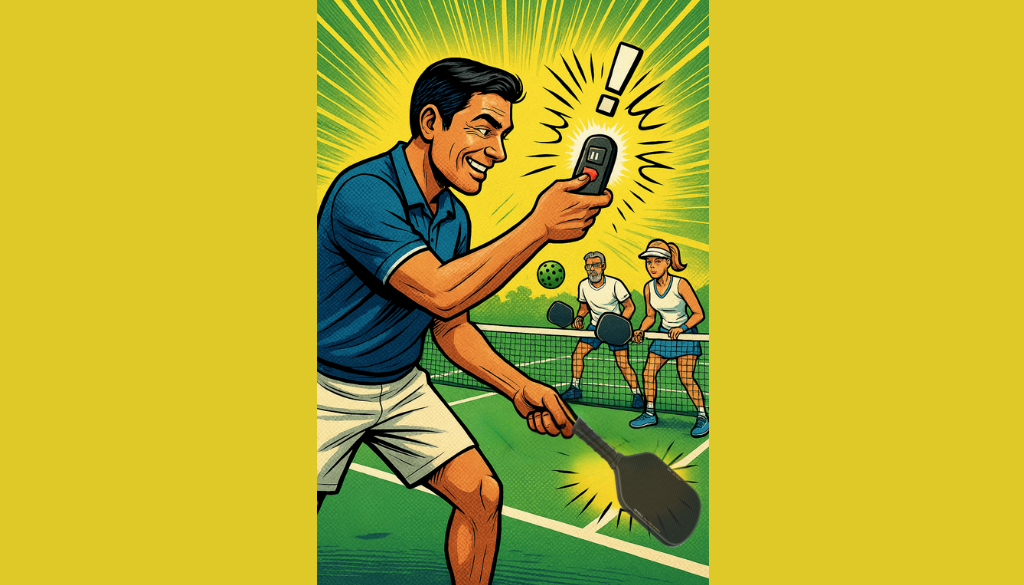
The pause is not hesitation. It’s a calculated decision to stay neutral rather than escalate. It allows you to regain balance, break your opponent’s rhythm, or soften the pace of a chaotic rally.
There are two ways to execute a pause:
- Block: A compact volley that absorbs the speed of a fast shot and sends it back in the air — often shallow and low.
- Reset: A softer, more intentional drop shot that lands in the kitchen and bounces, neutralizing the pace and restarting the point.
Knowing when to use each one depends on your balance, contact height, and pressure level.
Don’t Forget the Non-Volley Zone (Kitchen) Rules
It’s worth a quick reminder: volleys must be executed with both feet outside the non-volley zone (NVZ). You can’t have a foot on the line or inside the kitchen when volleying — including during blocks or speed-ups. Maintaining this awareness helps keep your exchanges legal and stable.
When to Pause Instead of Attack
1. When You’re Off-Balance
If you’re reaching, recovering, or falling sideways, an attack is risky. A block or reset keeps the ball in play and gives you a chance to reset your position.
2. When the Ball Is Below Net Height
Attacking low balls usually results in net errors or easy counterpunches. Instead, reset it into the kitchen or block it safely back without adding speed.
3. When You’re Behind the Play
If you’re reacting late to a speed-up, don’t try to win the exchange back immediately. A calm block or reset can neutralize the tempo.
4. When Your Opponent Is Set and Waiting
Trying to speed up against a ready opponent often gives them a perfect counter opportunity. Keep the ball neutral and wait for a better chance.
Read the Body, Not Just the Ball
In fast play, you rarely have time to track the ball from paddle to contact. Instead, start reading your opponent’s paddle position, shoulder angle, and grip tension.
- Paddle back and low? A speed-up may be coming.
- Open paddle face and soft body language? Likely a dink or neutral shot.
Learning to anticipate the intent of the shot gives you a better chance of choosing the right response — including when to pause.
How to Execute the Pause
Paddle Position
- Keep your paddle out in front, chest-high, and centered.
- Angle it slightly downward for blocks; open it a bit more for resets.
- No backswing — short, compact contact is key.
Grip Pressure
- Aim for a soft but stable grip — about 4 out of 10.
- Too tight, and the ball flies. Too loose, and you lose control.
Footwork and Stance
- Stay low and balanced with knees bent.
- Use small, quiet shuffles to stay centered — avoid lunging or leaning.
Common Mistakes When Trying to Pause
- Taking a backswing, turning a block into an attack attempt
- Over-gripping the paddle, causing unintended power or pop-ups
- Standing upright or flat-footed, which reduces reaction time
- Waiting too long and catching the ball too late or too low
- Trying to be “fancy” instead of staying calm and consistent
The pause is a simple move, but it demands discipline.
Drills to Train the Pause
Drill 1: Speed-Up and Block
Have a partner hit controlled speed-ups at you from the kitchen line.
Your goal: block every ball softly and low — no swings, no attacks.
Focus on balance, paddle angle, and staying compact.
Drill 2: Three-Hit Neutral Rally
Play kitchen volley rallies where neither player is allowed to speed up until the third exchange.
This trains patience, rhythm, and touch under pressure.
Drill 3: Reset Under Pressure
Have a partner hit low, fast volleys or push shots toward your feet.
You must reset each one into the kitchen with a bounce.
Helps train low-contact resets and body control.
Why the Pause Frustrates Opponents
Aggressive players feed off chaos and rhythm. When you pause instead of reacting with more speed:
- You break their tempo
- You neutralize their momentum
- You force them to generate their own errors
A well-timed pause shifts the pressure from you to them — without you taking a single risk.
Final Thoughts: Restraint Wins More Than Reflex
Fast hands exchanges are exciting, but excitement shouldn’t replace execution.
Winning these battles isn’t about being first — it’s about being right.
Mastering the pause means knowing when to block, when to reset, and when to wait your turn.
The players who pause with purpose don’t just stay in points — they control them.