

Pickleball Shoes
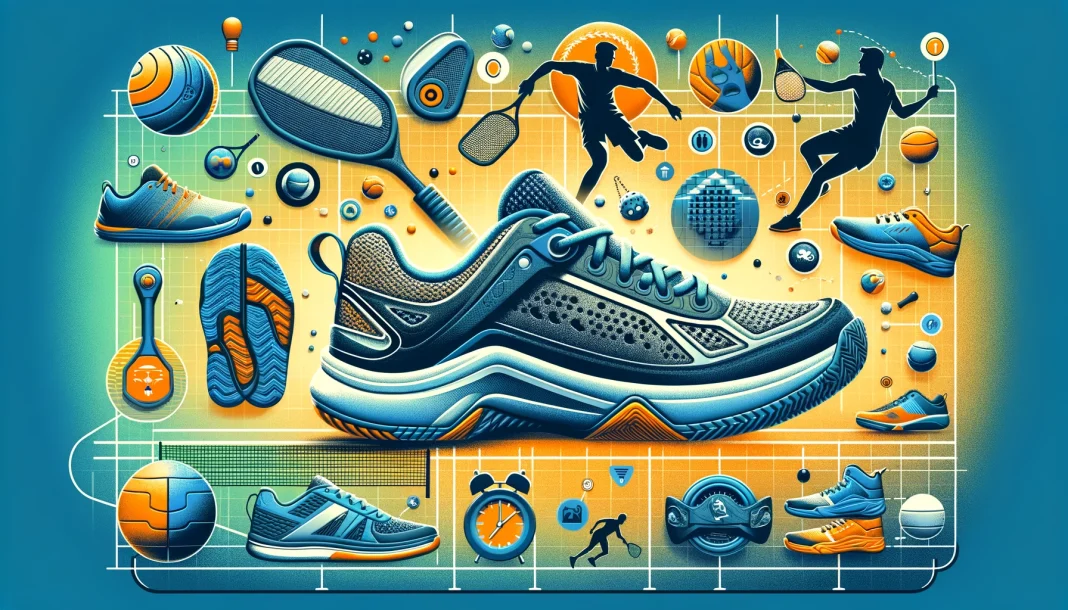
In the dynamic, fast-paced game of pickleball, selecting the appropriate footwear can significantly impact your performance, comfort, and injury prevention. Multiple factors contribute to this decision-making process, such as the type of court you play on, your individual game style, and the shoe characteristics of fit, support, weight, and comfort. However, with the plethora of options available in the market, making the right choice might seem daunting. This discussion aims to streamline your decision by providing a comprehensive guide to choose the right pickleball shoes; a decision that could potentially redefine your game.
Which Type of Court do You Play on?
The type of court on which you play pickleball significantly influences the kind of footwear you need. Differences in court surfaces, such as outdoor asphalt or indoor wood laminate, necessitate specifically designed outsoles for each. Therefore, the selection of pickleball shoes should be guided by the type of court surface to ensure both optimal performance and safety.
Outdoor Court Outsoles
Understanding the court surface, particularly asphalt hard courts, is essential to selecting the perfect outdoor pickleball shoe, as this common type of court puts significant demand on the durability of the shoe’s outsole. The rubber compound of an outdoor shoe’s outsole is typically firmer, designed for longevity yet still providing predictable traction for safe movement. While outdoor shoes can be used on indoor courts in a pinch, their performance may not be optimal, particularly on wood laminate surfaces where traction is less than ideal. Therefore, it is advisable to select shoes specific to the court surface you’re playing on to ensure maximum performance and safety. Total Pickleball offers a wide selection suitable for diverse playing styles and court conditions.
Indoor Court Outsoles
While outdoor court shoes are designed for durability and traction on asphalt, those who prefer playing on indoor wood laminate surfaces should consider the unique features of an indoor court shoe. Specifically, these shoes offer a softer outsole rubber compound for better traction and cushioning on laminate floors. Many also employ more mesh in their design, resulting in a lighter shoe. However, using these shoes on an outdoor court can lead to rapid outsole wear and may cause excessive stickiness due to the tread pattern. Therefore, it’s recommended to match your shoe type with the court surface, to ensure optimal performance and longevity.
Finding the Right Fit
Navigating through the vast array of pickleball shoe options begins with accurately measuring your foot to ensure the optimal fit and performance. An improper fit can not only disrupt your game but also lead to discomfort or injury. Thus, a precise foot measurement is the first step in finding the ideal pickleball shoe.
To measure your foot, place it on a piece of paper on a hard, flat surface. Wearing socks akin to what you would wear while playing pickleball, trace around the outer edge of your foot, keeping your body weight over it. The pen should be held perpendicular to the ground to ensure an accurate trace. Your foot length is the vertical measurement down the traced outline, while the width is the horizontal measurement across the broadest part of the outline.
Having these measurements in hand, you can refer to a shoe size chart. However, it’s crucial to look in the proper column – men’s or women’s – when determining your size. For women, the standard width is B, and for men, it’s D. This general guideline can help you figure out the right shoe size and width.
Your Game Style
The style of your game can greatly influence the type of pickleball shoes you need, specifically in terms of support, weight, and comfort. Players with an aggressive style may require shoes with greater support to prevent injuries, while those who favor speed might lean towards lightweight shoes. However, every player must consider the comfort of their shoes to ensure optimal performance on the court.
Support
In considering your game style, it’s crucial to pay attention to the support and stability offered by your pickleball shoes, as these factors significantly determine how securely your feet are held and how resistant the shoes are to unwanted twists or falls. Given the lateral movements in pickleball, one cannot overlook the importance of support and stability. Shoes that offer both will ensure your feet remain secure, reducing the risk of injury. However, it’s worth noting that such shoes come in varying weights, making it essential for the player to find a balance between comfort and performance. A lightweight shoe may offer agility but compromise on stability, while a heavier shoe might provide ample support but restrict swift movements. Thus, understanding your game style is imperative when choosing pickleball shoes.
Lightweight
Balancing the need for support with the desire for agility leads us to consider the weight of pickleball shoes, specifically the advantages of a lightweight design for players prioritizing speed and nimbleness on the court. Lightweight shoes can enhance quick movements but may compromise on durability, particularly for outdoor court players.
Yet, the weight alone doesn’t define the shoe’s performance. Factors contributing to a lightweight feel include:
- Fit: A well-fitted shoe feels lighter.
- Design: Certain designs can enhance the sense of lightness.
- Traction: Optimum traction levels can make a shoe feel less cumbersome.
- Durability trade-off: Lighter shoes may wear out faster due to less rubber on the outsole.
- Usage: Rotating between lightweight shoes for matches and durable ones for practice can be beneficial.
Comfort
Prioritizing comfort in your pickleball shoes can significantly enhance your game style, given that the entirety of your body weight rests on your feet during play. Transitioning from running shoes or typical sneakers to specialized court shoes might initially seem firmer, but a brief break-in period typically results in a softened midsole that does not compromise on performance or comfort. The construction of the shoe’s upper also contributes to comfort and overall support. Shoes with a simpler upper, tongue, and lacing system offer increased breathability and comfort, although they might offer less support than shoes with a more substantial upper. In essence, comfort in pickleball shoes is a balance between breathability, support, and the midsole’s feel underfoot.
Conclusion
In conclusion, selecting the optimal pickleball shoes involves a meticulous evaluation of several factors. These include the type of court on which one plays, the shoe’s fit, and the player’s game style. By taking these elements into account, players can ensure that they not only perform at their best, but also reduce the risk of injury. Therefore, the right footwear is integral to a successful and enjoyable pickleball experience.