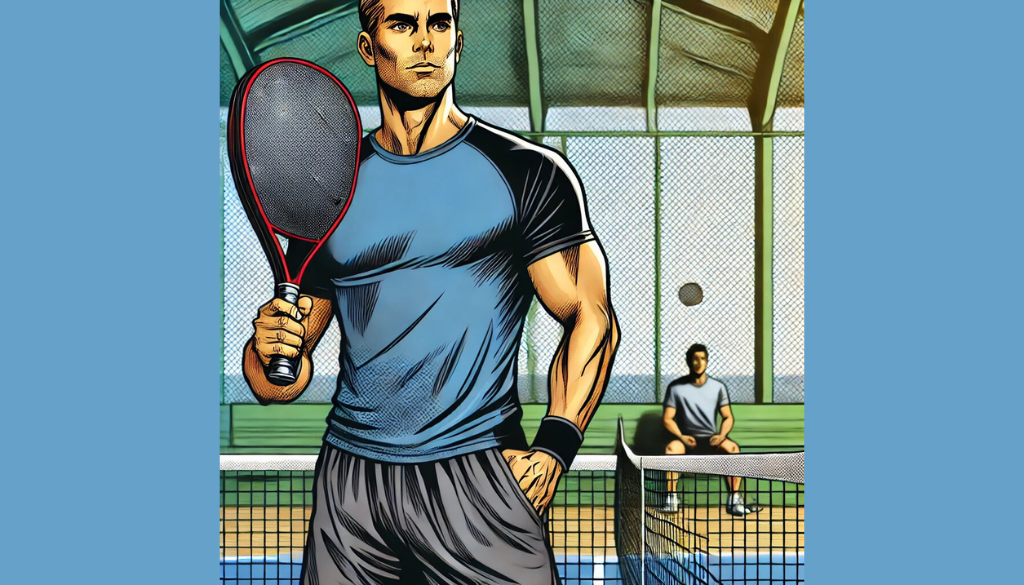


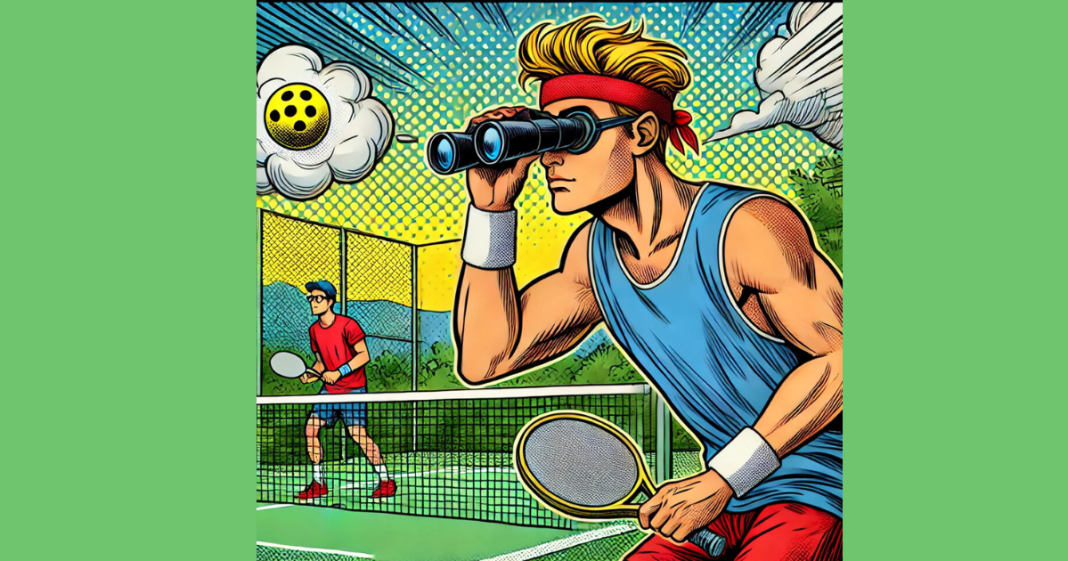
Anticipation is one of the most powerful skills in pickleball. It’s the ability to read the game, predict your opponent’s next move, and position yourself accordingly—turning you from a good player into a great one.
While some players seem to have a natural instinct for anticipation, the truth is that it’s a skill anyone can develop with practice and observation. In this guide, we’ll explore key strategies, techniques, and drills to sharpen your pickleball anticipation skills, helping you stay one step ahead on the court.
1. Understand Body Language and Shot Indicators
The best players excel at reading their opponents’ body language and subtle cues. A player’s stance, paddle angle, and weight shifts can provide valuable insights into their next move.
Reading Body Language
- Stance and Footwork: A low, balanced stance with bent knees often signals preparation for a dink, while an open stance may indicate a drive or crosscourt shot.
- Weight Shifts: If your opponent shifts their weight backward, they might be preparing for a lob. Leaning forward often signals an aggressive volley or dink.
Spotting Shot Indicators
- Paddle Angle: A vertical paddle usually suggests a dink or soft shot, while a flat paddle indicates a drive.
- Backswing: A big backswing often precedes a power shot, while a short backswing is typical for soft dinks or blocks.
2. Recognize Shot Patterns
Even advanced players develop predictable habits during rallies. Spotting these patterns can give you a strategic advantage.
How to Identify Patterns
- Watch for Repeated Shots: Pay attention to your opponent’s tendencies. Do they consistently target your backhand? Do they favor crosscourt shots or down-the-line plays?
- Analyze Serve and Return Strategies: Some players prefer deep returns, while others use softer shots to approach the net.
Using Patterns to Your Advantage
Once you recognize a pattern, position yourself slightly in anticipation. For example, if your opponent favors crosscourt shots, start shading toward that side to intercept the ball earlier.
3. Position Yourself for Success
Anticipation is only effective if you use it to position yourself properly. Strategic positioning allows you to react faster and stay balanced.
Key Positioning Tips
- Stay Centered: After each shot, return to a neutral position near the centerline to cover both sides effectively.
- Adjust Based on Opponent’s Position: If your opponent is deep in their backcourt, prepare for a defensive lob. If they’re close to the net, be ready for a quick volley or dink.
Drill: Anticipation Shadow Drill
- Stand at the baseline while a partner or coach calls out shot types (e.g., “dink,” “lob,” “drive”). Move into the correct position as if reacting to the ball. This drill improves your instinctive positioning.
4. Develop Peripheral Vision
Peripheral vision allows you to monitor your opponent’s movements while keeping your focus on the ball. This skill is critical for advanced anticipation.
How to Improve Peripheral Vision
- Focus Shifting Practice: Practice keeping your eyes on the ball while using your peripheral vision to observe your opponent’s body language and paddle position.
- Drill: Have a partner move side to side across the court while you keep your eyes on an imaginary ball in front of you. Track their movements using your peripheral vision.
5. Stay Mentally Sharp and Alert
Mental sharpness is key to anticipation. Long matches or rallies can test your focus, but staying engaged will help you maintain an edge.
Tips for Staying Focused
- Breathe and Reset: After each point, take a deep breath to clear your mind and refocus for the next rally.
- Visualize Patterns: During breaks, mentally review your opponent’s tendencies and patterns to prepare for their next move.
- Expect the Unexpected: Train yourself to prepare for less predictable shots so you can react to any surprises.
6. Transition from Defense to Offense with Anticipation
One of the best uses of anticipation is turning defense into offense. Predicting your opponent’s shot early can help you counter with an aggressive response.
How to Transition Effectively
- Counterattack with Speed: When you anticipate a soft dink or crosscourt shot, step in and deliver a fast, aggressive return to put your opponent on the defensive.
- Cut Off Angles: Anticipate wide shots by positioning yourself to intercept the ball and return it at a sharper angle, forcing your opponent to scramble.
Drill: Counter-Drive Reaction Drill
- Have a partner feed you shots from various angles. Practice reading the shot’s trajectory and reacting with a well-placed counter-drive. This builds confidence in turning defense into offense.
Conclusion: Practice Makes Perfect
Anticipation is an art that comes from observation, practice, and mental discipline. By focusing on body language, shot patterns, positioning, and mental sharpness, you can develop the ability to predict your opponent’s next move and dominate the game. Incorporate the recommended anticipation drills into your practice routine, and over time, this skill will become second nature. Remember, pickleball is as much a mental game as a physical one—master anticipation, and you’ll outsmart your opponents and control the match with confidence.