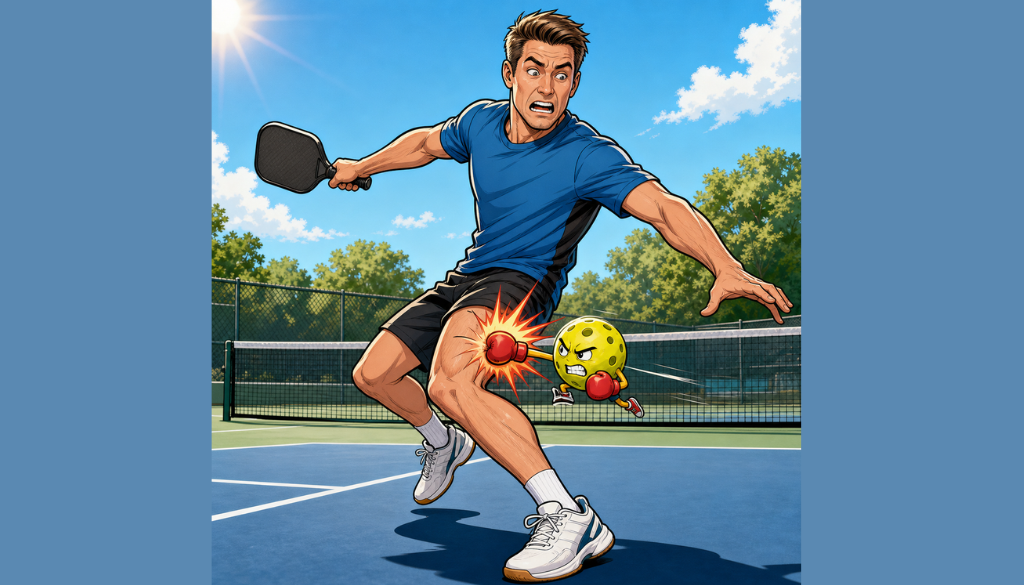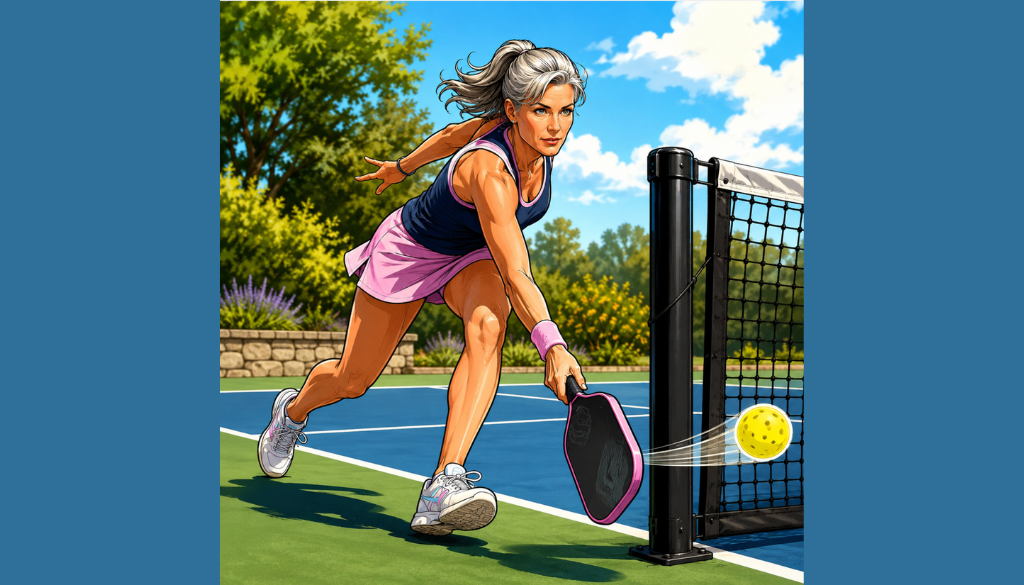



Most rallies are played one shot at a time.
The ball comes over the net, you react to it, send it back, and then wait to see what happens next. It works well enough to stay in points, but it keeps you in a reactive cycle where you’re always a step behind.
The players who start to separate themselves aren’t just hitting better shots.
They’re thinking one shot ahead — and moving accordingly before the ball even comes back.
The Real Shift: From Reaction to Intention
Planning ahead doesn’t mean predicting perfectly.
It means having a clear idea of what your shot is likely to produce — and being ready for it.
The mistake most players make isn’t mechanical. It’s this:
They separate the shot, the expectation, and the movement into three different moments.
They hit… then watch… then react.
Better players connect all three into one continuous action.
Every Shot Is Setting Something Up
Once you start thinking this way, your shots stop being isolated.
They become part of a sequence.
A couple of simple examples make this real:
- A wide crosscourt dink pulls your opponent off the court → expect a weaker reply that often comes back toward the middle → you’re already leaning into that space.
- A deep crosscourt return pushes your opponent behind the baseline → expect a third shot that sits up more often → you’re ready to move forward or attack the next ball.
- A soft reset from the transition zone slows the rally → expect a speed-up from an opponent who sees opportunity → your hands are ready, not surprised.
You don’t need a full playbook.
You just need to start recognizing that what you hit influences what comes back.
Movement Happens With the Shot – Not After
This is where a lot of players fall behind in rallies.
They hit a good ball… then stop to see what happens.
By the time they move, they’re reacting late.
The adjustment here is subtle:
Movement should begin as the shot is being completed – not after the result is clear.
That doesn’t mean lunging or over-committing.
It means small, early adjustments:
- a slight shift in your stance
- a small step in the direction you expect
- weight already leaning where the ball is likely to go
Those small movements give you time.
And at this level, time is everything.
Reading Your Opponent Earlier
Planning ahead becomes much easier when you stop watching only the ball.
Your opponent tells you a lot before they make contact.
You don’t need to read everything – just start with one simple cue:
If their paddle drops under the ball and their body stays still, expect lift or a softer shot.
If their paddle is up and compact near their chest, expect a faster ball.
That one distinction alone gives you a head start.
Combine that with your own intention, and the rally starts to feel less random.
Where It Breaks Down
Most players don’t struggle because they lack skill.
They struggle because they’re always a step late mentally.
They:
- hit without considering the reply
- watch instead of moving
- wait until the next ball arrives to decide what to do
That delay keeps them in reaction mode.
A Simple Drill to Build This Skill
You don’t need a complicated setup to work on this.
Start with short, cooperative rallies – crosscourt dinks or controlled volleys.
Before each shot, call out what you expect next:
- “forehand”
- “backhand”
- “middle”
- “short”
- “deep”
Then move accordingly as you hit.
You won’t always be right. That’s not the goal.
The goal is to connect your shot, your expectation, and your movement into one continuous action.
As that connection improves, the game starts to slow down in a useful way.
Final Thought
You don’t need to predict every shot.
You just need to stop waiting until after contact to decide what comes next.
When your shot, your expectation, and your movement start working together, you’re no longer just staying in rallies.
You’re shaping them.