


The rally’s not over—unless you let it be
Everyone hits a bad shot—pros included.
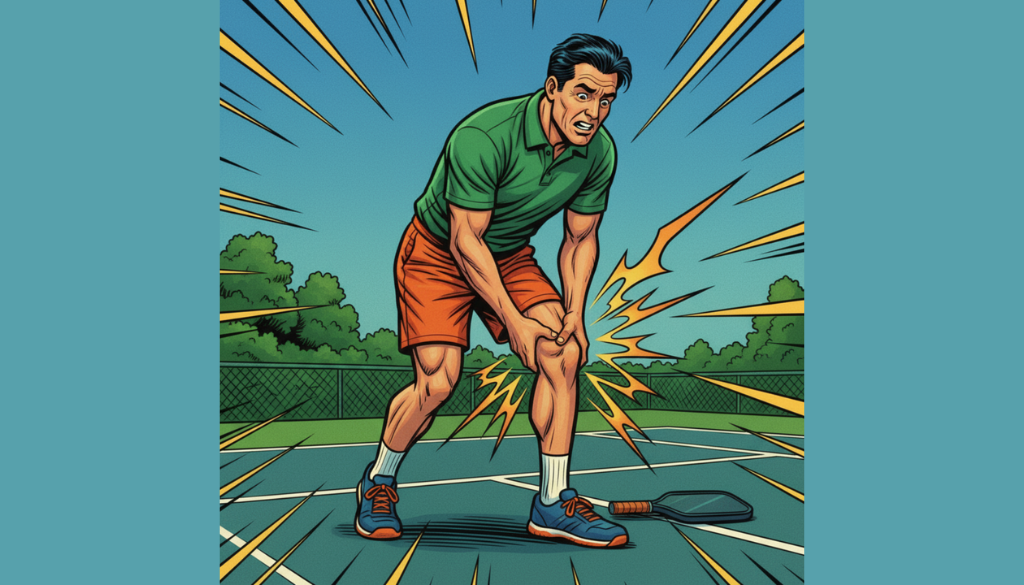
Whether it’s a pop-up, a mishit drop, or a dink that sails too high, errors happen. But what separates experienced players from everyone else isn’t perfection—it’s how quickly and effectively they recover.
You can turn a bad shot into a rally-saving moment with the right mindset, movement, and readiness. Here’s how.
What Counts as a “Bad Shot”
Let’s define the problem.
Not every miss is the end of the world, but these types of shots put you at immediate risk of losing the point:
- Pop-ups at the net or transition zone
- Drops that land too deep or high and bounce into your opponent’s strike zone
- Dinks that float and invite a speed-up
- Attacks that sit up without placement
- Off-balance shots hit from poor court positioning
Even if your shot gives the opponent an opening, the rally isn’t over. It’s how you respond that matters most.
Step 1: Accept the Mistake Instantly
A bad shot is only fatal if you let it distract you.
The second you realize the ball came off wrong—shift your focus to recovery. Don’t sigh, flinch, or freeze. Emotional hesitation is the fastest way to compound a mistake.
Instead, mentally reset. Your only job is to stay in the point.
Step 2: Reposition Immediately
Your court position at the moment your opponent strikes next is crucial. Move with urgency and purpose, not panic.
Examples:
- After a pop-up at the net:
Drop your center of gravity, widen your base, and prepare to block, not counterattack. - After a bad drop from midcourt:
Either pause and hold your ground for a ready block or retreat slightly and reset from a better distance. - After a high dink:
Stay low and expect a speed-up. Keep paddle out front and weight forward—don’t lunge or guess.
Step 3: Refocus on the Next Contact Point
Once you’ve moved, you’re not trying to win the point—you’re trying to stay in it.
Be ready to:
- Absorb pace
- Reset soft into the kitchen
- Play neutral, not aggressive
Trying to immediately erase your error with a heroic shot is usually how things get worse.
Tactical Cues That Buy You Time
Here are physical habits that help you absorb pressure and extend the rally:
- Paddle Up & Forward: Don’t let your hands drop while moving. Think “shield,” not “sword.”
- Low Athletic Stance: Knees bent, chest slightly forward, weight on balls of your feet.
- Quiet Hands: Short swings, no big windups. Let the opponent’s pace do the work.
- Soft Grip: Think “3–4 out of 10” tension—like holding a tube of toothpaste without squeezing it.
Partner Dynamics Matter
If you’re playing doubles, don’t try to be the hero after a mistake.
Instead:
- Use quick cues like “yours”, “switch”, or “reset” to stay coordinated
- Show with body language (e.g., paddle down, backing up) that you’re in defense mode
- Let your partner keep the point alive if you’re off balance
The key is team recovery, not overcompensation.
Drills to Train Recovery Skills
Drill 1: Pop-Up Recovery
- Have a partner feed you balls at the kitchen line
- Intentionally hit a pop-up, then immediately step back and block the next ball
- Focus on paddle position, footwork, and not over-swinging
Drill 2: Transition Rescue Drill
- Feed a difficult drop shot from midcourt
- Player must either pause at midcourt or retreat, depending on shot quality
- Goal: Reset into the kitchen and regain positioning
Drill 3: Scramble & Stabilize
- Partner feeds a tough mix of dinks, drives, and floaters
- You must adjust court position, stay balanced, and play neutralizing shots
- 10-ball sequence; aim to extend at least 7 rallies
Final Thought: Mistakes Aren’t Fatal—But Panic Is
Bad shots are part of the game.
But panic, overreactions, or hesitation after a mistake will cost you far more points than the error itself. If you stay calm, reposition fast, and use smart technique to neutralize the next ball, you’ll win more of those “lost” rallies than you ever thought possible.
Because in pickleball, it’s not about hitting every shot perfectly—it’s about giving yourself the chance to hit one more.