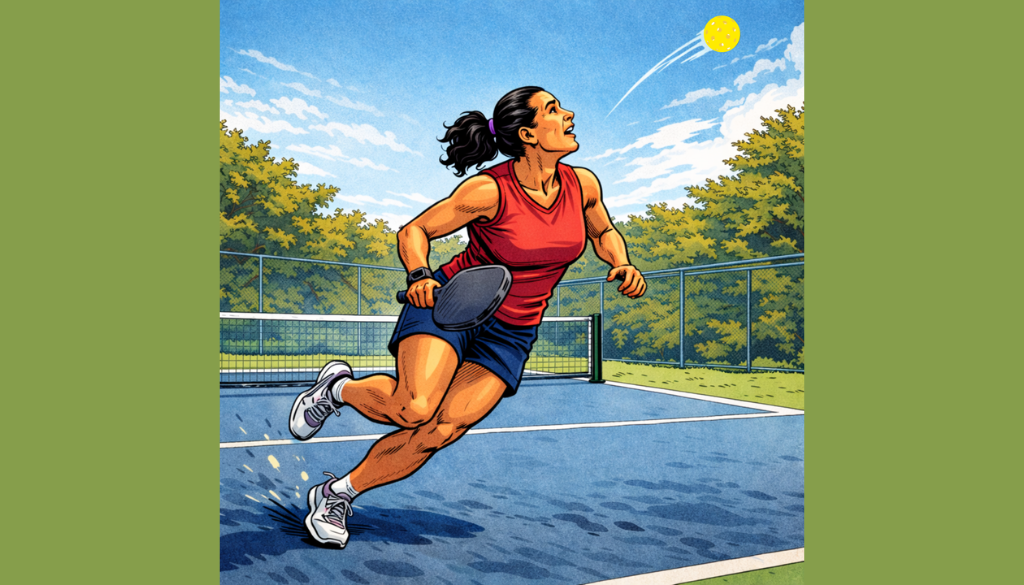



Picture this: You’re dragging at noon, so you grab a second coffee. First game feels amazing – sharp reflexes, good energy, locked in.
By game three you’re weirdly flat, irritable, and wondering why your legs feel heavy.
What happened?
Why Caffeine Backfires
This isn’t an article bashing caffeine. Caffeine does work. For many people, it sharpens focus, speeds up reactions, and boosts endurance. Sports science backs this up.
But three things go wrong when you don’t time it right.
First, caffeine disrupts sleep even when taken six hours before bed. Your sleep time drops and deep sleep quality suffers. You feel fine falling asleep, so you never make the connection. But that’s why you feel flat the next day.
Second, caffeine makes you feel energized, so you skip the snack or forget water. But caffeine doesn’t replace fuel or fluids. An hour later, it wears off and you’re running on empty – that’s the crash.
Third, you drink more coffee to fight the sluggishness, which makes tonight’s sleep worse, which makes tomorrow worse. The cycle feeds itself.
The Smart Caffeine Protocol
Before you drink coffee, ask two questions.
Is this real tiredness from bad sleep, or is it low fuel? If you skipped breakfast or haven’t eaten in four hours, eat first. Caffeine won’t fix hunger.
Is it after 2pm and you’re playing tomorrow? If yes, skip it. The sleep penalty kills tomorrow’s performance.
If you do use caffeine, keep it small and timed right.
One small coffee – 80 to 100 milligrams – not a mega cup. Most recreational players do better with less than what sports science suggests. You want focus without jitters.
Time it 60 minutes before play. Caffeine peaks in your blood around 45 to 90 minutes after you drink it.
Hard cutoff six hours before bedtime. If you sleep at 11pm, no caffeine after 5pm. If you sleep at 10pm, cutoff is 4pm. This rule isn’t flexible – even if you think you “sleep fine,” your sleep quality takes a hit.
Always pair it with water – at least eight to 12 ounces – and a small snack with carbs and protein. For example, banana with yogurt or a turkey wrap. Caffeine makes you feel “on,” but it doesn’t fuel your muscles. Without food, you’ll crash hard.
What Can Go Wrong
Moderate coffee – two to three cups daily – doesn’t dehydrate you. Studies confirm coffee drinkers stay as hydrated as water drinkers.
But watch for these warning signs: racing heart, shaky hands on dinks, feeling flushed or overheated, bathroom urgency mid-game, irritability, anxiety, or the classic crash two to three hours later.
If these show up, cut your dose in half next time.
For Players Who Want Out of the Caffeine Loop
Some players realize they’re stuck in the cycle and want a different approach to baseline energy.
Every day you play pickleball, you push your body, your cells age, your energy reserves dip, and your recovery slows down. Pep Tonic – the world’s first Anti-Aging Drink – helps you push back against time.
Formulated with over 50 rejuvenating fruits, veggies, and superfoods, Pep Tonic replenishes energy at the cellular level.
Just 30 seconds each day delivers vibrant health, youthful energy, and sharper reflexes, wrapped in a delicious fruity taste you’ll crave. Pep Tonic keeps you feeling younger, playing stronger, and recovering faster – game after game.
Fit Pickler readers get an automatic discount and 90-day guarantee.
Click here to try Pep Tonic today
The Bottom Line
Before you have that coffee, ask two questions: Is this hunger or tiredness? Is it after 2pm?
If you drink coffee, keep it small – one cup, not three. Time it 60 minutes before play. Pair it with water and food. Nothing after your six-hour bedtime cutoff.
Caffeine works when you use it intentionally. It backfires when you use it desperately.
One small cup, timed right, paired with actual fuel and water – that’s the difference between game-one energy that lasts and game-three crashes that don’t.