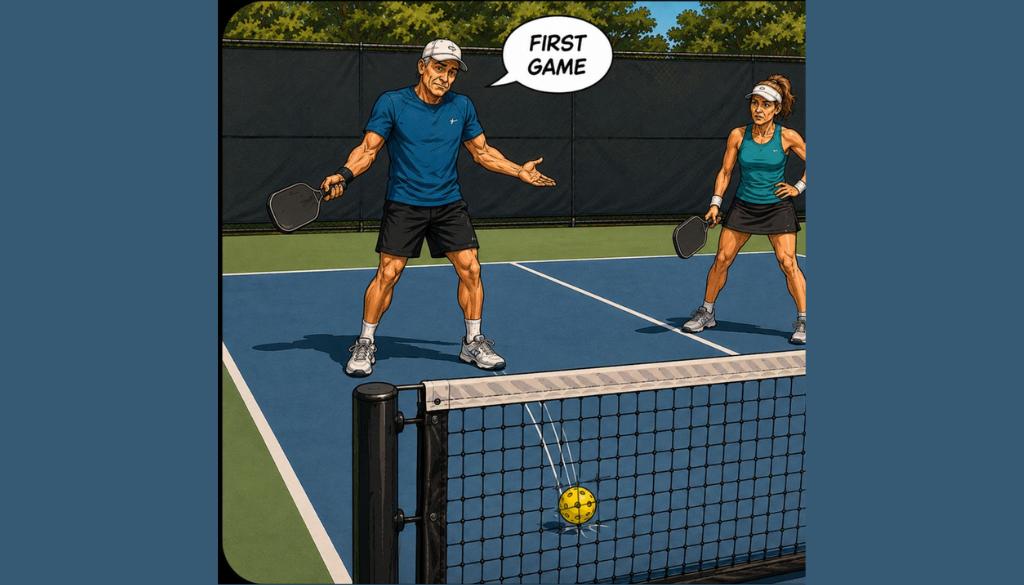


One of the biggest differences between intermediate and advanced pickleball players is not how hard they hit the ball. It is which balls they choose to attack.
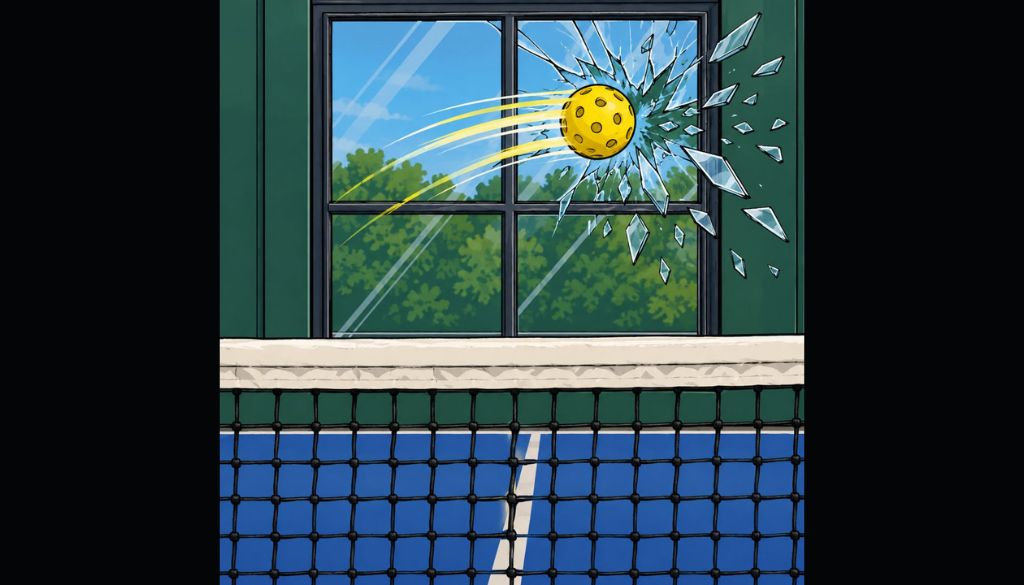
Watch a typical recreational game and you will see speed-ups everywhere. Some are successful. Many are not. A player gets impatient during a dink rally, sees a ball that looks good enough, and fires away. The result is often predictable: the ball clips the net, sails long, or sits up and gets counterattacked.
The problem usually is not execution.
It is decision-making.
The Attack Window Drill teaches players to become much more selective about when they attack. Instead of asking, Can I speed this ball up? the drill teaches you to ask, Should I? That simple change can dramatically reduce unforced errors while making your attacks far more effective.
Why This Drill Matters
Many players assume that becoming more aggressive means attacking more often. In reality, the opposite is usually true. Better players are often more patient because they recognize that only certain balls deserve an aggressive reply.
A successful speed-up usually begins long before the paddle accelerates. It starts with a dink that forces your opponent into an uncomfortable position, a ball that sits a little higher than intended, or a contact point that leaves them reaching instead of balanced. Those are the opportunities worth attacking.
The challenge is that many players never learn to recognize those opportunities. After a few safe dinks, impatience takes over. They convince themselves the next ball is attackable simply because the rally has gone on for a while. The Attack Window Drill removes that guesswork by giving players a consistent visual standard for deciding when to stay patient and when to go.
Setting Up the Drill
Two players begin a cooperative dink rally at the kitchen line. Before starting, establish an imaginary attack window above the net. Rather than thinking of it as a precise measurement, picture a horizontal band several inches above the top of the net extending across the middle of the court.
During the drill, any ball contacted below that window must be dinked back. Only balls that rise into the attack window may be sped up.
The purpose is not to win the rally. The purpose is to train your eyes to recognize the difference between a ball you can attack and one you should attack. By removing the temptation to attack marginal balls, you begin to notice how often quality opportunities develop naturally when you are willing to wait for them.
How to Run the Drill
Start with straight-ahead cooperative dinking. The goal at first is simply to sustain the rally while both players track whether each ball falls below or inside the attack window.
If a ball stays below the window, it must be dinked. If it rises into the window, either player may speed it up. Once the speed-up happens, play out the point or reset the rally, depending on how competitive you want the drill to feel.
After a few minutes, switch to crosscourt dinking and repeat the same rules. Crosscourt rallies usually create a slightly different visual picture, which helps players learn that attackable height matters more than court pattern.
To make the drill more challenging, require players to call out “low” or “go” before they hit the ball. That small layer of verbal commitment slows down impulsive attacks and sharpens recognition.
What Players Usually Learn
Most players discover two things almost immediately. First, many of the balls they normally attack are not actually good attack balls. They are merely balls they have grown impatient with.
Second, when they stop forcing the speed-up, cleaner opportunities show up on their own. Better dinks create slightly weaker replies. Weaker replies create higher contacts. Higher contacts create attacks that feel simple instead of rushed.
That progression is what good players trust. They do not manufacture offense from neutral balls very often. They build it one patient shot at a time.
The Mistake
The biggest mistake is treating every ball near net height as automatically attackable.
Height matters, but it is not the whole picture. A ball can be barely high enough yet still be a poor attack if you are stretched, off balance, or making contact too far in front or too far outside your body. Many bad speed-ups happen because players see the right height but ignore the wrong body position.
The drill works best when players evaluate both. Is the ball in the window? And am I balanced enough to attack it cleanly? If the answer to either question is no, the right choice is usually another dink.
A Simple Progression
Once the basic version feels comfortable, add location. Instead of allowing every ball in the window to be attacked anywhere, require players to speed up only to a specific target: middle, right shoulder, or backhand hip.
That progression teaches an important second lesson. Recognizing the right ball is only the first step. Choosing the right target is what turns a legal speed-up into an effective one.
Final Thoughts
Many players think they need a better speed-up. What they really need is a better filter.
The Attack Window Drill helps players stop attacking balls that only look attackable in the moment. It trains patience, improves decision-making, and makes speed-ups more effective because they happen on the right ball instead of the first ball.
When players become more selective, they usually do not attack less successfully. They attack less often and win more points when they do.