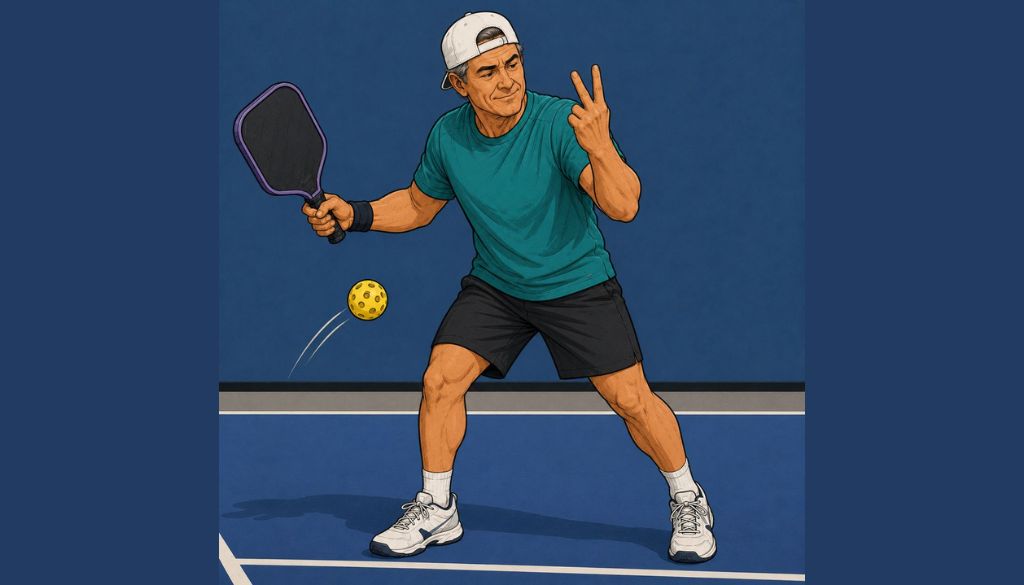


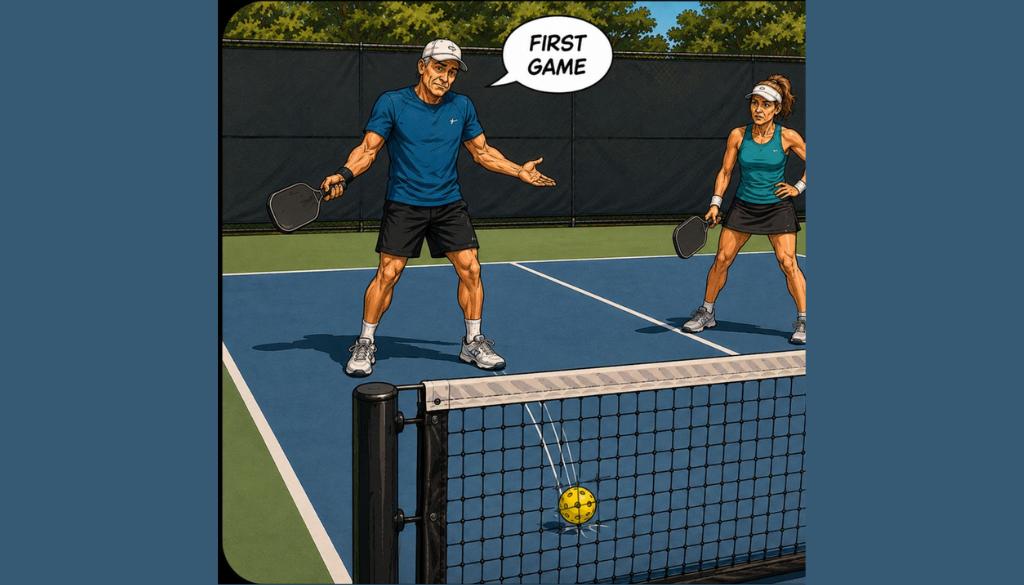
Most players have experienced the same pattern.
The first game feels a little clumsy. Shots that normally come easily are slightly off. The feet feel slow getting to the ball. Reactions seem a fraction of a second late. Then, somewhere during the second game, everything begins to click.
The ball looks bigger. Movement becomes smoother. Timing improves. The same player who struggled through the opening few points suddenly feels comfortable again.
It is easy to assume the first game was simply “bad pickleball.” In reality, there is often much more happening. The body needs time to prepare for the unique demands of the sport, and those changes do not happen the moment players walk onto the court.
Pickleball Asks More Than Most People Realize
A warm-up is not just about raising body temperature. Pickleball requires the body to perform movements that rarely happen during everyday life.
Within the first few rallies, players are accelerating, stopping suddenly, changing direction, lowering into athletic positions, reaching wide, recovering, and reacting to balls coming from different speeds and angles. Those demands arrive almost immediately, even though the body may have spent the previous hour sitting in a car or at a desk.
That is one reason the first few points often feel awkward. The body is still adjusting to movements it has not performed since the last time it played.
Timing Takes a Few Minutes to Catch Up
Many players think of timing as something that happens only in the hands. In reality, timing depends on the entire body working together.
The feet begin moving sooner. Balance improves before and after each shot. Players arrive at better contact points instead of reaching at the last second. Even tracking the ball tends to become easier once the body settles into the rhythm of play.
That is why players often describe the second game as feeling easier, even though their opponents have not changed.
The body has simply caught up with the demands of the game.
Confidence Usually Follows Movement
The first game can also be frustrating because players begin judging themselves too quickly.
A missed return or two can create the feeling that something is wrong with their stroke. In many cases, the stroke has not changed at all. The body simply has not settled into its normal movement patterns yet.
Once movement becomes more comfortable, confidence usually follows. Players stop forcing shots, begin trusting their footwork, and allow the game to come to them.
That change often has very little to do with mechanics and a great deal to do with readiness.
The Mistake
One mistake is expecting the body to perform at its best on the very first point.
That expectation often leads players to press. They swing harder, rush forward, or become frustrated by a few early mistakes that would not concern them later in the session.
Instead of treating the first game as a test, think of it as part of the process of settling into the day. The goal is not to survive the first game. The goal is to allow the body enough time to become ready for the games that follow.
A Better Way to Start Playing
A few minutes of purposeful movement before stepping onto the court can shorten that adjustment period.
Walking briskly, making a few gentle lateral movements, performing controlled leg swings, shoulder circles, and several easy shadow swings can help prepare the body for the specific movements pickleball requires. None of those activities need to be strenuous. The objective is simply to begin moving before the first serve is struck.
Players who arrive a few minutes early often discover that the first game feels much more like the second.
Final Thoughts
Needing a warm-up game is not a sign that something is wrong. It is often a sign that the body is doing exactly what it should.
The first game gives muscles, joints, balance, vision, and reaction time an opportunity to settle into the rhythm of play. Once that happens, movement becomes more natural and good decisions become easier to make.
Even experienced players rarely step onto the court completely ready from the first point. Giving the body a chance to catch up is simply part of playing well.